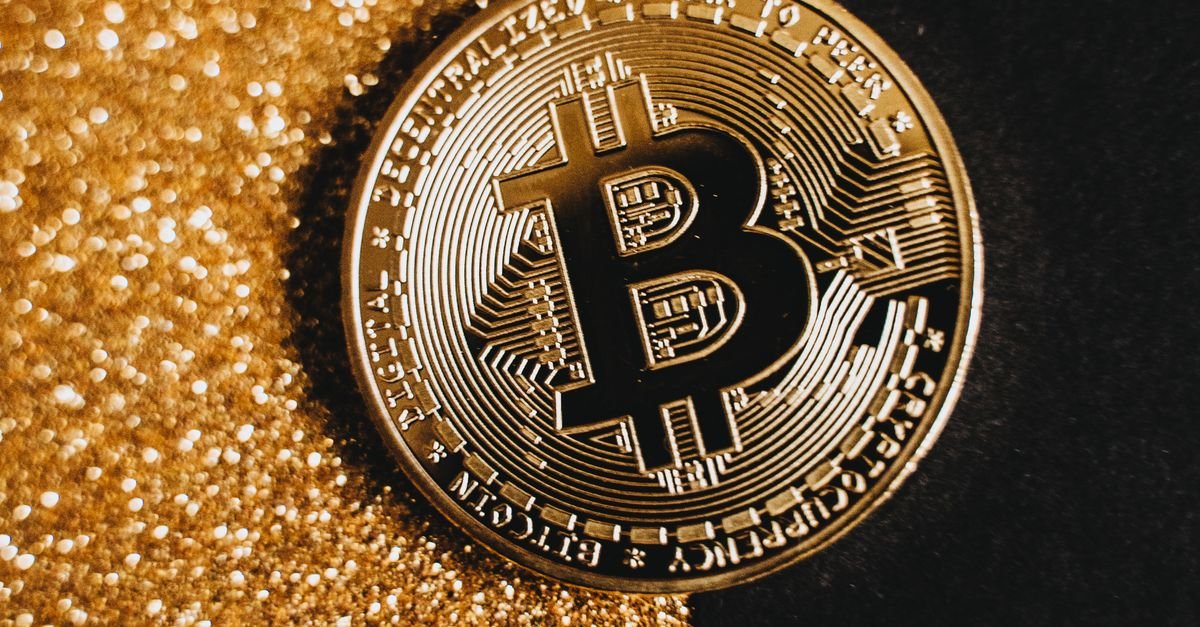
Bitcoin started as a niche idea shared on a cryptography mailing list in 2008 and is now the most widely held cryptocurrency in the world. Understanding what it actually is, beyond the price headlines, starts with the problem it was originally built to solve.
Why Bitcoin Was Created
Bitcoin was introduced in 2008 by a pseudonymous creator known as Satoshi Nakamoto, in a whitepaper published shortly after the global financial crisis. Its stated goal was a peer-to-peer electronic cash system that let people send value directly to each other without relying on a bank or payment processor as a trusted middleman. Our guide to reading a crypto whitepaper uses Bitcoin’s own paper as a useful reference point for what a clear, credible document looks like.
How Bitcoin Actually Works
A Fixed, Predictable Supply
Bitcoin has a hard cap of 21 million coins that will ever exist, written into its protocol from the start. This scarcity is a core part of its appeal as a potential store of value, often compared to gold’s naturally limited supply.
Proof-of-Work Mining
New bitcoins are released through mining, where computers compete to solve a computational puzzle, with the winner adding the next block of transactions to the chain and earning a reward. This process secures the network by making it extremely costly to alter transaction history.
The Halving
Roughly every four years, the reward miners receive for each new block is cut in half, an event known as the halving. This gradually slows the rate of new supply until the full 21 million cap is reached, expected around the year 2140.
What Bitcoin Is Actually Good For
Bitcoin’s simplicity is deliberate. Its scripting language is intentionally limited compared to Ethereum’s, prioritising security and predictability over flexibility. This makes it best suited to being held as a long-term store of value or used for straightforward payments, rather than as infrastructure for complex applications. Our Bitcoin versus Ethereum comparison covers this trade-off in more depth.
How to Actually Hold Bitcoin Safely
- Buy through a properly vetted exchange, checked against our exchange legitimacy checklist.
- Move meaningful amounts to a wallet you control, rather than leaving them on an exchange long-term. See our wallets guide.
- Back up your seed phrase properly the moment you set up a self-custody wallet. See our seed phrase backup guide.
Common Misconceptions
Bitcoin transactions are not anonymous; they are pseudonymous, meaning every transaction is permanently visible on a public ledger, tied to wallet addresses rather than names. With enough analysis, addresses can often be linked back to real identities, particularly once they touch a regulated exchange requiring identity verification.
Bitcoin is also not inherently illegal or primarily used for illicit activity. The overwhelming majority of Bitcoin transaction volume today runs through regulated exchanges and legitimate use, not the dark web narrative that persisted in its early years.
Bitcoin and UK Tax
HMRC treats Bitcoin as property, meaning disposing of it, whether by selling, spending, or swapping it for another cryptocurrency, can trigger Capital Gains Tax on any increase in value since you acquired it. Our guide to tax on crypto-to-crypto swaps explains how this works in practice.
Frequently Asked Questions
Can Bitcoin’s 21 million supply cap ever change?
Technically the protocol could be changed, but doing so would require overwhelming consensus across miners, developers and users, and would fundamentally undermine the scarcity that gives Bitcoin much of its value proposition. It is considered extremely unlikely.
Is Bitcoin mining bad for the environment?
Bitcoin mining does consume significant energy, since proof-of-work security depends on genuine computational cost. The proportion of that energy coming from renewable sources varies by region and continues to shift over time.
What happens when all 21 million bitcoins are mined?
Miners will be compensated entirely through transaction fees rather than new block rewards, a transition the protocol is designed to support gradually as block rewards shrink toward zero.
This article is for general educational information only and is not financial advice. Cryptocurrency is high risk and you should never invest more than you can afford to lose.