Choosing a crypto wallet is one of the first genuinely important security decisions a new crypto user makes. Get it right, and you have full control over your own money with no third party able to freeze or lose it. Get it wrong, and a lost device or a careless click can cost you everything. This guide covers what actually matters when choosing one in 2026.
What a Crypto Wallet Actually Does
A crypto wallet does not store your coins the way a physical wallet stores cash. Your crypto exists permanently on the blockchain itself. What your wallet actually holds is your private key, the cryptographic proof that you control a specific address on that blockchain, and your public key, which is the address other people use to send you funds.
When you send crypto, your wallet uses your private key to sign the transaction, proving ownership without ever exposing the key itself to the network. Losing your private key, without a backup, means losing access to whatever it controls permanently, since there is no central company that can reset it for you.
Hot Wallets vs Cold Wallets: The Real Trade-off
The core decision every wallet choice comes down to is convenience versus security, and understanding this trade-off matters more than any specific brand recommendation.
Hot Wallets
A hot wallet stays connected to the internet, typically as a mobile app, browser extension, or web interface. This makes everyday transactions fast and simple, which is why most beginners start here. The trade-off is that an internet-connected wallet is inherently more exposed to malware, phishing, and remote attacks than one that never touches the internet.
Cold Wallets
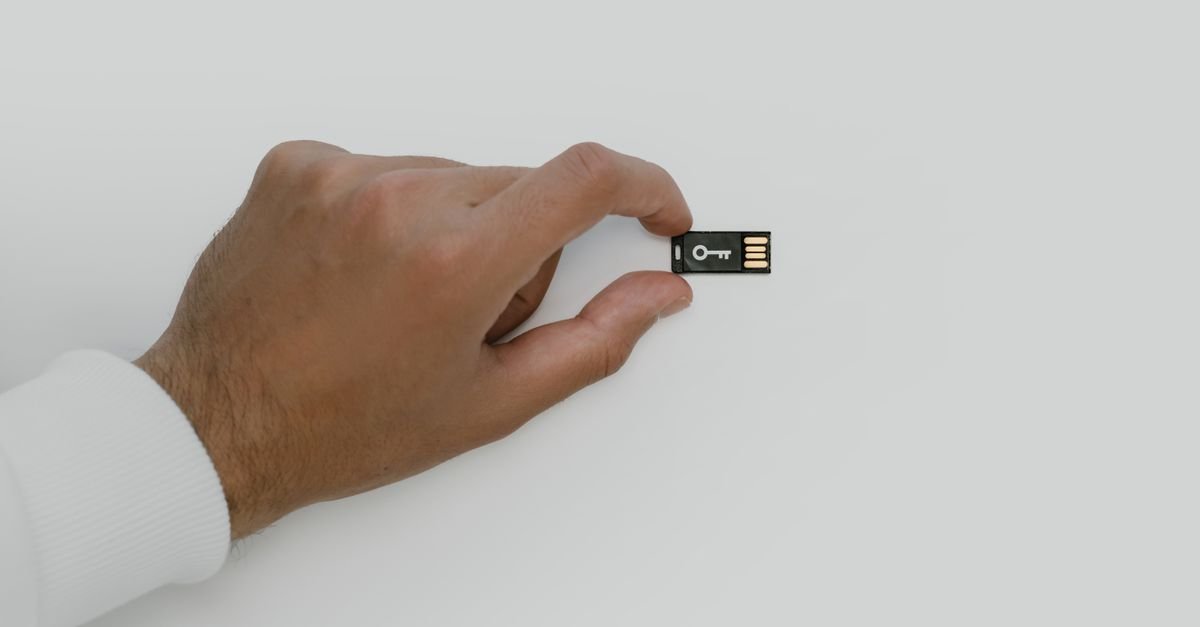
A cold wallet keeps your private key entirely offline, most commonly through a dedicated hardware device. This removes remote attack as a realistic threat, since a hacker cannot reach a key that was never connected to any network. The trade-off is convenience: every transaction requires physically connecting the device and confirming on its screen.
The Practical Answer
Most experienced holders use both. A hot wallet holds a small, spendable amount for everyday use, similar to carrying cash rather than your entire savings in your physical wallet. A cold wallet holds anything you intend to keep long-term. We compare two of the leading cold wallet brands directly in our Ledger vs Trezor guide.
What to Actually Check Before Choosing a Wallet
- Self-custody vs custodial. A self-custody wallet gives you sole control of your private key. A custodial wallet, such as an exchange account, means the platform holds the key on your behalf, which is more convenient but means you are trusting that platform’s security and solvency.
- Open source vs closed source. Open-source wallet software can be independently reviewed by security researchers, which some users consider an important trust signal.
- Coin and network support. Not every wallet supports every blockchain. Check that your specific coins are supported before committing to one wallet as your main option.
- Backup and recovery method. Every legitimate wallet gives you a seed phrase during setup. How you store that phrase afterwards matters more than which wallet you chose. See our seed phrase backup guide for the practical steps.
Common Mistakes That Actually Lose People Money
Most wallet-related losses in crypto do not come from sophisticated hacking. They come from avoidable mistakes: storing a seed phrase as a photo on a phone that later gets compromised, entering a seed phrase into a fake website during a scam, or reusing the same password across an exchange account and an email account that then gets breached.
Before trusting any exchange with a custodial wallet, it is worth running through our exchange legitimacy checklist, since the platform’s own security matters just as much as your wallet choice.
How to Choose the Right Wallet for You
If you are holding a small amount you plan to trade actively, a reputable hot wallet or exchange account is a reasonable starting point. If you are holding anything you would be genuinely upset to lose, move it to a hardware wallet. If you are unsure, start with a hot wallet for learning, then move meaningful amounts to cold storage once you are comfortable with how wallets work.
Frequently Asked Questions
Is a hardware wallet worth it for a beginner?
For small amounts used for learning, a reputable hot wallet is fine. Once your holdings reach an amount you would be seriously upset to lose, a hardware wallet is worth the modest cost.
Can I lose my crypto if my wallet app is deleted?
No, provided you have your seed phrase backed up. Reinstalling the app and restoring from your seed phrase recovers full access, regardless of the device used.
What happens to my crypto when you die: does my wallet matter?
It matters enormously. Self-custody wallets have no automatic inheritance process. See our UK crypto inheritance guide for how to plan this properly.
This article is for general information only and is not financial advice. Always research a wallet provider independently before trusting it with meaningful funds.