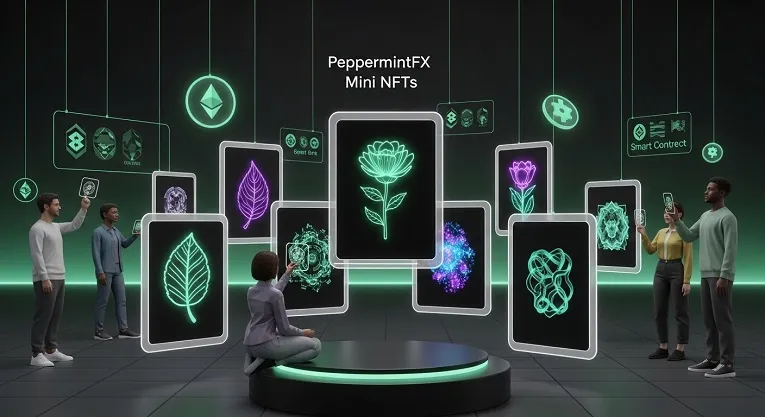
Searches for “PeppermintFX Mini NFT” turn up a mix of things: small digital art collections, and separately, NFT-adjacent trading and automation services advertising fixed monthly returns. That second category is worth pausing on, because it points to a pattern every NFT buyer should learn to recognise before spending any money.
Why This Matters
Small, newly launched NFT and token projects are extremely common, and most are never independently reviewed anywhere. Before buying into any small collection or “NFT platform” you have not heard of elsewhere, it is worth running through the same due-diligence habits we cover in our exchange legitimacy checklist, since the same red flags apply.
The Single Biggest Red Flag: Guaranteed Returns
Any NFT, token, or “platform” advertising a fixed monthly return, commonly phrased as a guaranteed annual percentage rate on a stablecoin deposit, is describing a structure that does not exist in legitimate NFT or crypto markets. Genuine digital art and collectibles derive value from buyer demand, not from a platform paying out a fixed percentage. A promised fixed return, particularly one advertised as annualising into double or triple-digit percentages, is one of the clearest signs of a Ponzi-style scheme, where early participants are paid using later participants’ deposits rather than genuine profit.
Other Red Flags Worth Knowing
- Social media accounts boasting extreme, unverifiable profit figures, such as claims of turning a small deposit into a life-changing sum within months. Genuine investment performance is rarely, if ever, marketed this way.
- Heavy referral or affiliate incentives for recruiting new participants, which is a structural feature of pyramid-style schemes rather than a normal NFT project.
- Vague or shifting descriptions of what the project actually does, jumping between being an art collection, a trading tool, and an investment platform depending on which page you read.
- No verifiable team, no audited smart contract, and no independent coverage beyond the project’s own social media and promotional videos.
How to Properly Evaluate a Small NFT Project
- Check for independent coverage. A genuine project of any size usually has some mention beyond its own channels, whether from collectors, journalists, or established NFT tracking sites.
- Read the actual smart contract details where possible, or at minimum confirm which blockchain the project is on and whether the contract has been reviewed by anyone independent of the team.
- Separate the art from any investment promise. Buying a piece of digital art because you like it and can afford to lose the money is a very different decision from depositing funds expecting a guaranteed return.
- Search the project name alongside words like “scam” or “review” before committing any money, the same habit covered in our exchange safety checklist.
What to Do If You Have Already Sent Funds
If you have deposited money into a scheme showing these warning signs and are struggling to withdraw it, stop sending any further funds immediately, including any “release fee” or “tax” the platform claims is required to process a withdrawal, which is a common continuation of the same scam. Report it to Action Fraud and, if you paid by card, contact your bank about a possible chargeback.
Frequently Asked Questions
Are all small NFT collections scams?
No. Most small NFT projects are simply niche digital art with limited reach, not scams. The distinction is whether any fixed financial return is being promised, which genuine art and collectibles never do.
Is it safe to connect my wallet to a small NFT project’s website?
Only after checking it against the red flags above. Malicious sites impersonating legitimate-looking projects can drain a connected wallet through a broadly worded transaction approval.
What should I do before buying any small NFT?
Treat it as a purchase you could lose entirely, verify what you can about the team and contract, and be immediately sceptical of any promised fixed return.
This article is for general information only and is not financial advice. It does not accuse any specific named project of wrongdoing, but describes patterns commonly associated with fraudulent schemes so readers can evaluate any project independently.